
Backup and Docking Lights: What's Legal in BC?
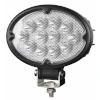 White lights shining from the rear of a vehicle can be confusing and distracting to following drivers, particularly at night. Some are backup lamps, intended to illuminate the area behind a vehicle when reversing. Others are docking lamps, designed to help commercial truck drivers manoeuvre in confined spaces.
 Question: Is it legal to install a television, video screen or dash camera in a motor vehicle? The answer depends on what the equipment does, what it displays, whether the driver can see the display and, in some circumstances, the class of driver's licence. Modern vehicles increasingly use electronic displays for entertainment, navigation and vehicle information. British Columbia's laws place limits on what a driver may view or operate while driving.
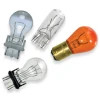 Vehicle lighting does more than help us see and be seen. The colours and positions of lamps and reflectors communicate information to other road users. Changing a bulb, lens or lighting assembly without considering the regulations can make a vehicle illegal to use on a highway in British Columbia.
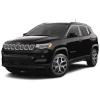 Window tinting can make a vehicle look attractive and reduce sunlight entering the passenger compartment. However, tinting can also affect visibility, and British Columbia places specific restrictions on the use of aftermarket window film.
 You've been involved in a collision and your vehicle is damaged. Perhaps a headlight is pointing in the wrong direction, a signal light is missing, or a damaged bumper has been removed to provide clearance for a tire. Your insurance assessment and body shop appointment are still pending. Can you keep driving until the repairs are made?
 Question: How far can the tread of a tire extend beyond the fenders of a vehicle in British Columbia before it becomes a violation? The Motor Vehicle Act Regulations address mudguards, while the vehicle inspection standards specify when fenders and mudflaps are required. There are also exemptions for certain antique and collector vehicles.
 Winter tire season is almost here. Starting October 1, 2026, winter tires (or chains, for commercial vehicles) become mandatory on most BC highways — and the rules stay in effect until either March 31 or April 30, 2027, depending on the route. If you drive outside the Lower Mainland or Greater Victoria at any point this winter, it's worth checking now rather than getting caught out at a highway checkpoint or, worse, in a ditch.
 Yes, stretching tires can be dangerous. Automotive professionals and tire manufacturers highly discourage this practice. Tire stretching involves mounting a tire onto a wheel rim that is wider or narrower than the manufacturer's approved rim-width range.
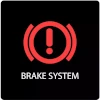 Most drivers know that the parking brake is there to keep a parked vehicle from moving. But what happens if you are driving and the service brakes suddenly stop working?
 Question: Is it legal to have a nitrous oxide system hooked up to a vehicle in British Columbia? If the bottle is detached from the system, is it legal? Does a DOT/WHMIS oxidizer symbol grant any right to transport it?