
 Question: A friend of mine just received a speeding ticket in BC. The description of the offence says "speed signs", the Act is "MVA", and the section is "146(7)". What does this mean? She doesn't think her actual speed was recorded on the ticket, but there are two numbers, "91-89", written in the top right corner. Lastly, if she disputes this ticket, can a judge increase her penalty?
What Section 146(7) Means
Your friend has been ticketed under the British Columbia Motor Vehicle Act (MVA) for failing to obey a municipal speed sign. The statute reads:
146 (7) If, under a bylaw adopted by a municipality, signs have been erected or placed on a highway limiting the rate of speed of motor vehicles... a person must not, when the sign is in place on the highway, drive or operate a motor vehicle on that portion of the highway at a greater rate of speed than that indicated on the sign.
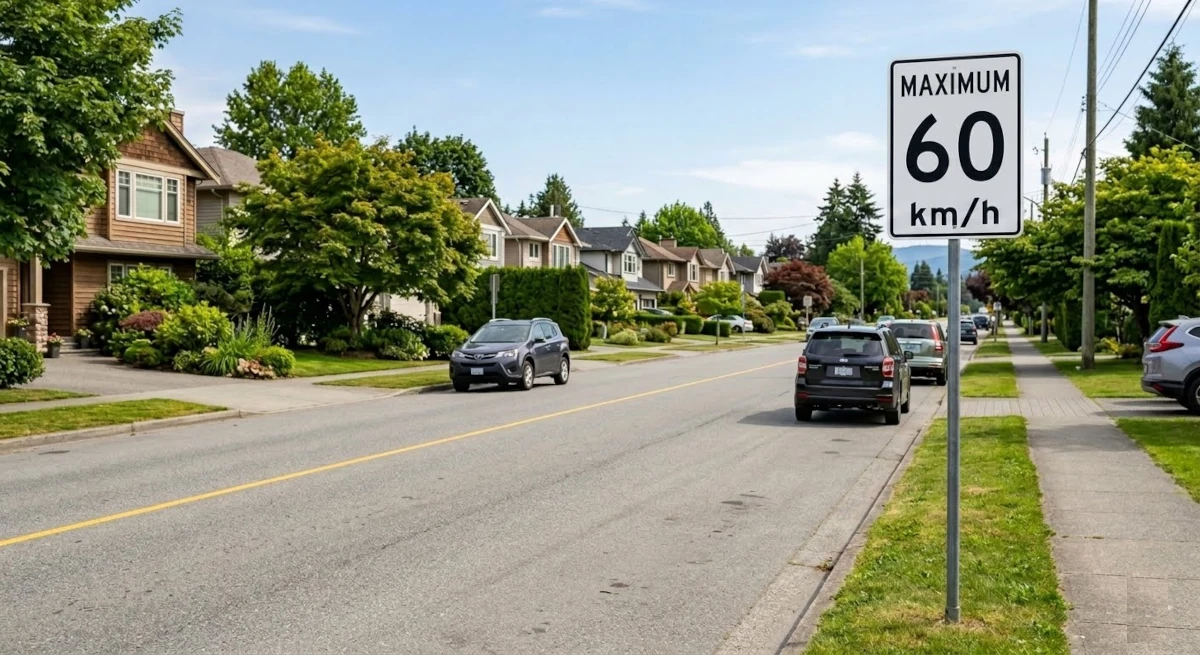
To secure a conviction in traffic court, the Crown must prove five specific elements:
- A valid municipal speed bylaw exists for that specific area.
- Physical speed signs were properly erected and visible.
- The defendant was driving on the highway controlled by those signs.
- The vehicle was exceeding the posted speed limit.
- The identity of the driver matches the person named on the violation ticket.
The "91-89" Number and Recorded Speed
The "91-89" hand written on the top corner of the ticket could be the results of two speed measurements made by the officer. To clarify, ask about it specifically in your request for disclosure.
BC police officers are not required to record your exact measured speed on the front face of a violation ticket. Instead, the exact speed and tracking method (Radar, Laser, or Pacing) are documented within the officer's personal evidence notes, which you can request via disclosure before your trial.
However, you can deduce the speed range the officer alleged by looking at the ticketed fine amount:
- $138 Fine: Alleged speed of 1 to 20 km/h over the posted limit.
- $196 Fine: Alleged speed of 21 to 40 km/h over the posted limit.
Note: Exceeding the limit by more than 40 km/h is classified as "Excessive Speeding" under Section 148, which carries a minimum $368 fine and automatic 7-day vehicle impoundment.
Can a Judge Increase the Fine?
Yes. It is a common myth that a judge cannot increase your ticket amount. Under MVA Section 148.1(4), if you dispute a speeding ticket and the officer’s evidence proves you were driving faster than the bracket indicated by the fine on your ticket, the Judicial Justice has the explicit legal authority to vary the supplemental fine upward to reflect your true speed.
Additionally, if you lose a trial and your driving abstract reveals a history of dangerous driving or repeat offences, a justice may choose to increase the fine penalty up to the statutory maximum as a deterrent. Disputing a ticket always carries a minor element of financial risk if the evidence against you is overwhelmingly negative.
Know someone trying to figure out a BC traffic ticket? Share this guide to help them understand their options.
- Log in to post comments