
BC Safe Routes Now: Find Active Transportation Plans in BC
 BC Safe Routes Now is a project of the BC Cycling Coalition that provides a map-based inventory of active transportation plans across British Columbia. It can help you find out what your community has planned for walking and cycling, and where active transportation planning may still be needed.
 Some intersections are easy to understand. You approach, stop or yield as required, look for conflicting traffic and proceed when it is safe to do so. Others require a little more study.
 When you are driving behind a cyclist or another vulnerable road user, giving them enough space is about more than courtesy. British Columbia law now sets minimum distances that drivers must maintain when following and passing vulnerable road users.
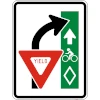 A BC Supreme Court decision explains how drivers must safely turn across a dedicated bike lane and why both the driver and cyclist were found partly responsible for the collision.
 Question: When turning right at an intersection with a bicycle lane, should you merge into the bike lane before turning or turn across it?
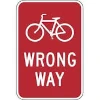 "Walk against traffic, ride with it." This simple rule of thumb has been taught to school children for generations. Yet, it remains one of the most common traffic safety errors observed on British Columbia roads today. Whether out of a false sense of security or a simple misunderstanding of the law, cyclists who ride against the flow of traffic are placing themselves in immense danger.
 Here's an new angle on a continual problem, that of other road users failing to yield to emergency vehicles. Most of the time this question is asked about cars and trucks, but this fire department official asks the question about a different subset of traffic, cyclists.
 This case is a small claims action for damages to the open driver's door of a parked pickup truck when it was hit by a passing cyclist. The case was not decided in favour of the pickup owner.