Better Than Average Drivers
 Ask a group of drivers whether they consider themselves to be better than average, and you are likely to see a lot of hands go up. Some of them may actually be right. The more interesting question is how we know.

Information related to driver training.
Ask a group of drivers whether they consider themselves to be better than average, and you are likely to see a lot of hands go up. Some of them may actually be right. The more interesting question is how we know.
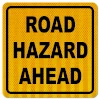 Do you wait for a situation to happen and then react to it when you drive? If so, mastering active hazard perception would be the most effective step that you could take to keep yourself safe on B.C.'s roads. Being proactive behind the wheel identifies potential threats before they become dangerous and helps you avoid being involved in a crash.
 Serious drivers treat driving as a skill that can be measured, reviewed, and improved. Everyone is at risk for developing bad driving habits over time and if we let them become our default setting we might not make changes until it is too late. Just because you are a better than average driver, it doesn't mean that there is no room for improvement.
 I've joined the ranks of the senior citizens and my last formal driver training class was in the late 1990's. With that in mind I was wondering about planning to become a better driver. ChatGPT offered some advice, but I still had to correct some of it. Here's what AI shared with me in response to my question after my edits.
 I am occasionally asked about the practice of left foot braking. The usual justification given for this is that the brakes may be applied more quickly because the left foot is ready while the right foot is busy with the accelerator pedal. While there are different schools of thought on whether this is appropriate for highway driving it may not be a good idea for the average driver.
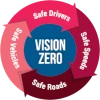 I've been reading Moving to Vision Zero: Road Safety Strategy Update and Showcase of Innovation in British Columbia and was struck by these words: "The Safe System Approach enables more ambitious progress by treating the road system as a product of numerous components." One of these components includes driving skills.
 A message in the DriveSmartBC inbox observes that there is such an incredible shortage of common sense about the practicalities of driving, as well as so many people who seem unable to think clearly any more. You cannot get people to drive better just by saying "drive better".
 Are you a new driver looking for formal training, an older driver facing an Enhanced Road Assessment or simply one of those rare people who wish to improve their driving skills? Here are a few tips on how to choose the driving school that is right for you.
 This video is from the FortNine channel on YouTube. It explains that there are three ways to position your body in relation to your motorcycle when you are making a turn: lean, counter-lean and neutral. The video explains why learning to counter-lean your motorcycle is the best choice for highway riding.
 "You don't care about safety! All you guys want to do is suck money out of my pocket!" Here was a speeder that was very definite in his opinion and not afraid to state it. He was wrong, I did care about safety, but my traffic cop toolbox didn't contain many officially sanctioned options for dealing with it.