
BC Collision Statistics & Traffic Injury Estimates (2026)
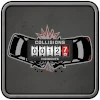 Traffic safety remains a critical public health and economic challenge across British Columbia. The rolling model below provides a live, data-driven projection of cumulative road safety outcomes and transport incidents across the province since January 1, 2026:
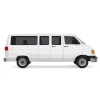 Question: I'm taking a group of family or friends on a trip in a 15-passenger van. I've been driving for years, so is there anything different I need to know?
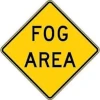 Fog can turn an ordinary drive into a very different experience in just a few seconds. The road may be wet, visibility may be measured in hundreds rather than thousands of metres, and vehicles travelling toward you or in front of you can seem to appear out of nowhere.
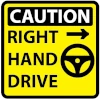 Right-hand-drive (RHD) vehicles are legal in British Columbia, but driving one presents some differences that are worth understanding when most of the traffic around you is travelling on the right side of the road.
 Finding a vehicle that appears to have been abandoned can leave you wondering who is responsible for removing it. The answer depends on where the vehicle is and the circumstances in which it was left.
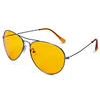 I've had readers ask me about glasses with yellow lenses that are marketed as night driving glasses. The claim is that the yellow tint reduces glare and increases contrast, making it easier to see in darkness.
 Two recent collisions on Highway 19 through Nanoose Bay have renewed local concerns about road safety. A petition is calling for parking prohibitions and residents in the area want more enforcement and infrastructure improvements. In response the provincial government has announced an Operations and Safety Review of Highway 19 through the Nanoose Flats area.
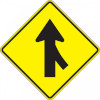 Freeway entrance ramps are designed to give drivers an opportunity to build speed, find a suitable gap and merge smoothly with traffic already travelling on the freeway. An entrance to southbound Highway 99 in Richmond adds an unusual complication: a designated bus lane crosses the path of entering traffic just before the driver reaches the first general-purpose freeway lane.
 Opening a vehicle door seems like a routine action, but it carries a legal responsibility. Section 203(1) of British Columbia's Motor Vehicle Act requires that you must not open a vehicle door into moving traffic unless it is reasonably safe to do so. A recent BC Supreme Court decision shows that this duty remains even when the approaching road user also shares responsibility for the collision.
 Most drivers associate vehicle size limits with commercial trucks and other large vehicles. However, British Columbia's maximum vehicle height, width, length, and load overhang rules also apply to light non-commercial vehicles.