
Where to Stop for a Stop Sign
- Read more about Where to Stop for a Stop Sign
- 7 comments
- Log in to post comments
 Would you believe me if I told you that the positioning of a stop sign at an intersection has nothing to do with where you must stop? Yes, the sign tells you that you must stop, but the markings on the roadway, or lack of them, tell you where the stop has to take place. There are four possibilities for a driver to consider.
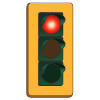 I have noticed many drivers stopping at a red light several feet behind the car in front. Having asked my daughters who had recently passed their driving exams about this and both told me that their instructor had told them, even when stopped, they must leave at least one car length distance behind the car in front.
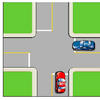 I've been asked to comment on why intersections are not patrolled as often as highways. The person making that request observed that there is a significant propensity for drivers to run yellow and red lights. It appears to them that intersections pose a much greater and possibly deadlier risk than speeding on a straight stretch of highway.
 Two "beefs" from the weekly Beefs & Bouquets article in the Nanaimo News Bulletin caught my attention this week. Both concern one of the most dangerous places on our highways: the intersection.
 Kate asks “When your light is green at the intersection ahead but above you the advanced yellow overhead warning lights have begun to flash, should you be preparing to stop for that green light?”
 We've all seen it and I'll bet that we all talk about them, drivers who race us to the next red light. Here they come, weaving through traffic, going over the speed limit and pass by us just in time to stop for the same red light that we do. These drivers put us all at risk to gain nothing and demonstrate their inability to plan ahead.
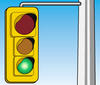 Twice in the past week I've watched drivers who were stopped legally in the intersection signalling a left turn back out of the intersection when the traffic light that they were facing turned red. Why would a driver do this? The action is completely out of context and unsafe.
 The City of Victoria has rebuilt the intersection of Fernwood Road and Haultain Street to include centre islands, crossrides, sharrows and a right in, right out restriction for Haultain. This has resulted in confusion among road users leading to collisions.
 Question: I live in quiet little Summerland and my question is about right of way. Our busiest intersection is a T-junction complete with 3 cross walks. Traffic usually proceeds through that T junction at a very slow pace.
 The case of Stempowicz v Dobbs involves a collision at the intersection of Veterans Memorial Parkway and Langford Parkway in Langford. The traffic light was green for the opposing drivers, one turning left and one driving straight through. Justice Morley decides which driver was the immediate hazard.