
BC Collision Statistics & Traffic Injury Estimates (2026)
 Traffic safety remains a critical public health and economic challenge across British Columbia. The rolling model below provides a live, data-driven projection of cumulative road safety outcomes and transport incidents across the province since January 1, 2026:
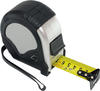 In British Columbia, the law is absolute: the driver and the carrier are fully responsible for knowing the exact maximum height of their vehicle and load before hitting the road. With the Province implementing the toughest infrastructure protection laws in Canada, operating without a valid permit, failing to check route clearings, or deviating from an approved path can result in immediate fleet groundings, massive carrier sanctions, and court-imposed fines up to $100,000.
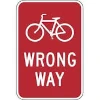 "Walk against traffic, ride with it." This simple rule of thumb has been taught to school children for generations. Yet, it remains one of the most common traffic safety errors observed on British Columbia roads today. Whether out of a false sense of security or a simple misunderstanding of the law, cyclists who ride against the flow of traffic are placing themselves in immense danger.
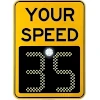 You see them everywhere across British Columbia: bright digital signs in school zones, construction corridors, and municipal transition zones flashing your exact speed back at you. When these roadside speed reader displays—technically known as Speed Display Devices (SDDs) or Driver Feedback Signs—first began popping up on B.C. highways, traffic engineers openly questioned their long-term viability. Would the novelty wear off once local drivers grew accustomed to them?
 Question: My 18-year-old daughter is planning a trip to Victoria. She holds a valid Washington State driver’s licence. Is she legally allowed to drive by herself here in British Columbia, and can she carry passengers?
 Adaptive Cruise Control (ACC) is an advanced driver assistance system designed to make highway driving easier and more comfortable. Unlike traditional cruise control, which only maintains a single set speed, ACC uses sensors to track vehicles ahead of you. It automatically brakes and accelerates to keep a safe, pre-set following distance.
 Every now and then, you will see them on a residential street: temporary plastic or corrugated yard signs, pushed into the grass on wire stakes, asking drivers to slow down because children are playing. They are always put up by residents with the absolute best of intentions. Frustrated by speeding traffic outside their front doors, neighbours are hoping to protect the kids on their block.
 Careless disposal of cigarette butts from vehicles causes significant roadside fire risks, particularly during dry summer months in British Columbia. This dangerous littering behaviour directly threatens public safety, wildlife, and property along highways.